

With Michelin-Star Restaurant Trends for 2025: What Food Lovers Can Expect at the forefront, this paragraph opens a window to an amazing start and intrigue, inviting readers to embark on a storytelling filled with unexpected twists and insights.
The content of the second paragraph that provides descriptive and clear information about the topic
Emerging Trends in Michelin-Star Restaurants
In the ever-evolving world of Michelin-star restaurants, there are several emerging trends that food lovers can expect to see in the upcoming years. From innovative menu offerings to the integration of technology and a focus on sustainability, these trends are shaping the future of fine dining.
Innovative Menu Offerings
- Restaurants are increasingly focusing on plant-based and sustainable options to cater to the growing demand for environmentally conscious dining.
- Chefs are experimenting with fusion cuisine, combining diverse culinary traditions to create unique and exciting flavor profiles.
- Hyper-local sourcing of ingredients is becoming more common, with chefs working closely with local farmers and producers to showcase the best of the region.
Integration of Technology
- Many Michelin-star restaurants are incorporating technology into the dining experience, from interactive menus on tablets to digital wine lists that offer detailed information on each selection.
- Virtual reality and augmented reality are being used to enhance the ambiance of the restaurant, transporting diners to different settings and creating a truly immersive dining experience.
- Online reservation systems and mobile apps are streamlining the booking process, making it easier for guests to secure a table at their favorite Michelin-starred establishment.
Sustainable Practices
- Michelin-star restaurants are leading the way in adopting sustainable practices, from reducing food waste to implementing energy-efficient kitchen appliances.
- Some restaurants are even growing their own produce on-site, ensuring the freshest ingredients while minimizing their carbon footprint.
- Water conservation efforts, such as using eco-friendly dishwashing techniques and serving filtered tap water instead of bottled water, are becoming more common in these establishments.
Culinary Techniques and Ingredients
The world of Michelin-starred restaurants is constantly evolving, with chefs pushing the boundaries of culinary artistry. In the coming years, we can expect to see a surge in new cooking techniques, exotic ingredients, and the fusion of global flavors with traditional cuisines.
New Cooking Techniques
In 2025, innovative cooking methods will continue to captivate diners and elevate the dining experience. Chefs are experimenting with techniques such as molecular gastronomy, sous vide, and fermentation to create dishes that are not only visually stunning but also bursting with unique flavors.
Unique and Exotic Ingredients
Michelin-starred restaurants are known for sourcing the finest and most exotic ingredients from around the world. In 2025, expect to see dishes featuring ingredients like yuzu kosho, kaffir lime leaves, and black garlic. These ingredients add depth and complexity to dishes, creating a sensory experience like no other.
Global Flavors Influence
The influence of global flavors on traditional cuisines is a trend that will continue to shape the culinary landscape of Michelin-starred restaurants. Chefs are incorporating ingredients and techniques from diverse cuisines, such as Japanese, Peruvian, and Middle Eastern, to create innovative dishes that showcase a harmonious blend of flavors and textures.
Restaurant Design and Ambiance
When it comes to Michelin-star restaurants, the design and ambiance play a crucial role in enhancing the overall dining experience. From the moment guests walk through the door, every detail contributes to creating a memorable atmosphere.
Evolving Trends in Restaurant Interior Design
Restaurant interior design is constantly evolving to offer guests a unique and immersive dining experience. Some emerging trends include:
- Use of natural materials such as wood, stone, and greenery to create a warm and inviting space.
- Incorporation of technology like interactive menus and digital art installations to add a modern touch.
- Flexible seating arrangements to accommodate different group sizes and dining preferences.
Importance of Creating a Memorable Dining Atmosphere
Creating a memorable dining atmosphere goes beyond just serving delicious food. It sets the tone for the entire dining experience and leaves a lasting impression on guests. Factors contributing to a memorable ambiance include:
- Lighting design that complements the mood and enhances the presentation of dishes.
- Music selection that matches the restaurant's theme and enhances the overall vibe.
- Ambient scents that evoke a sense of comfort and luxury, enhancing the sensory experience.
Innovative Table Settings and Decor
Table settings and decor in Michelin-star restaurants are often works of art themselves, carefully curated to complement the overall design theme. Some innovative examples include:
- Custom-designed tableware that reflects the restaurant's aesthetic and elevates the dining experience.
- Unique centerpieces and floral arrangements that add a touch of elegance and sophistication to the table.
- Interactive elements like tableside preparation or cooking demonstrations that engage guests and create a memorable experience.
Chef Collaborations and Cross-Cultural Exchanges
In the world of Michelin-star restaurants, chef collaborations and cross-cultural exchanges have become increasingly prevalent, leading to exciting culinary innovations that blend different expertise and traditions.
Michelin-Star Chefs Collaborations
- Micahel Roux and Gordon Ramsay joined forces to create a unique tasting menu that combined French and British culinary techniques.
- Dominique Crenn and Massimo Bottura collaborated on a charity event, showcasing a fusion of French and Italian flavors in their dishes.
- Collaborations like these not only bring together top talents but also introduce diners to new and unexpected flavor combinations.
Cultural Exchanges Impact on Culinary Creations
- Chefs traveling to different countries for culinary inspiration are incorporating local ingredients and techniques into their menus.
- Japanese chefs experimenting with Nordic cuisine or Mexican chefs infusing Korean flavors are examples of how cultural exchanges are shaping modern gastronomy.
- These exchanges lead to a melting pot of flavors, creating a dynamic and diverse dining experience for guests.
International Travel Inspiring Chefs
- International travel exposes chefs to new ingredients, cooking styles, and food cultures that spark their creativity.
- Visiting markets in Thailand, exploring street food in Mexico, or dining at Michelin-star restaurants in France all contribute to chefs' inspiration.
- The exposure to different culinary landscapes broadens their perspective and encourages experimentation in their own kitchens.
Sustainability and Ethical Practices
In the world of Michelin-starred restaurants, sustainability and ethical practices have become increasingly important considerations. Chefs and restaurant owners are making conscious efforts to reduce their environmental impact and support ethical practices in the food industry.
Locally Sourced Ingredients and Reducing Food Waste
Many Michelin-starred restaurants are prioritizing the use of locally sourced ingredients to support local farmers and reduce the carbon footprint associated with transporting food long distances. By sourcing ingredients locally, restaurants can also ensure the freshness and quality of their dishes.
Additionally, these restaurants are implementing strategies to reduce food waste, such as composting organic waste and implementing portion control measures.
Ethical Farming Practices and Fair Labor
Michelin-starred restaurants are increasingly partnering with suppliers who adhere to ethical farming practices, such as organic farming methods and humane treatment of animals. By supporting ethical farming practices, these restaurants are promoting sustainability and animal welfare in the food industry.
Moreover, many restaurants are also focusing on fair labor practices, ensuring that their staff are treated equitably and paid fair wages.
Conclusion
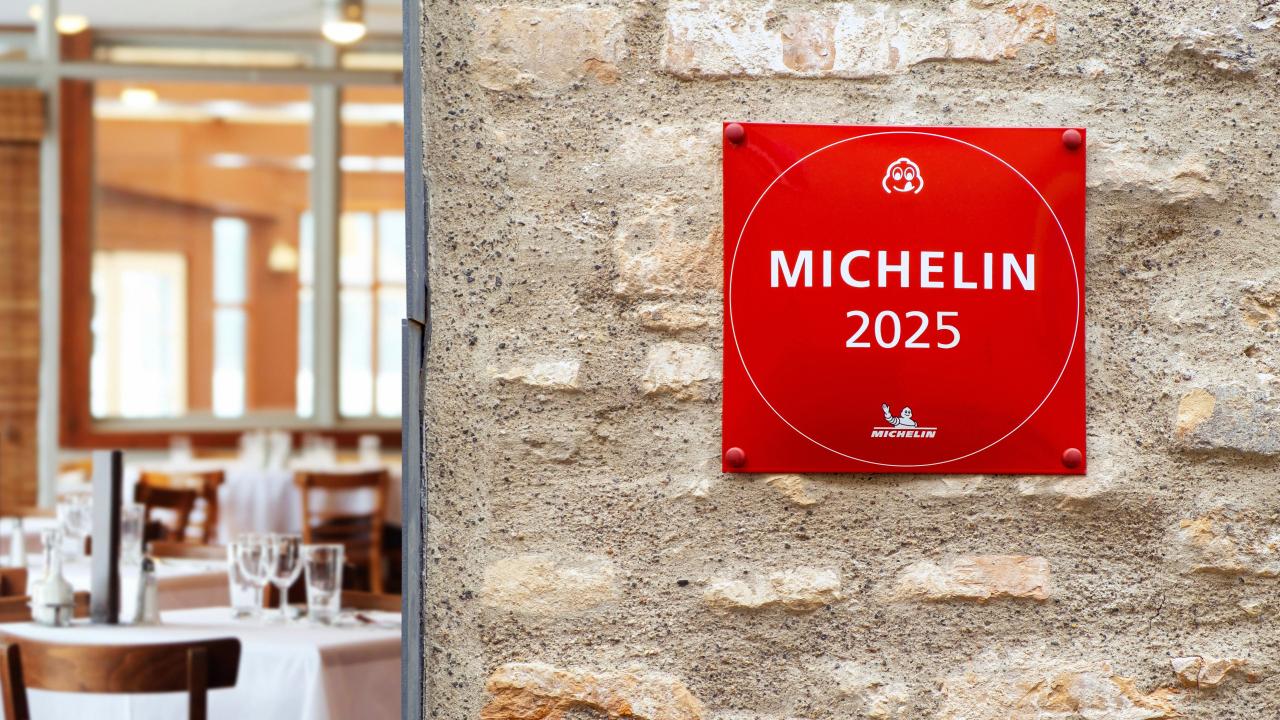
The content of the concluding paragraph that provides a summary and last thoughts in an engaging manner
Common Queries
What are some emerging trends in Michelin-Star Restaurants?
Emerging trends include innovative menu offerings, integration of technology, and sustainable practices.
How are Michelin-star restaurants contributing to sustainability?
They contribute by using locally sourced ingredients, reducing food waste, and supporting ethical farming practices.
What is the impact of international travel on chefs' creativity?
International travel inspires chefs and influences their culinary creations.